Beyond Water: 5 Pro Hydration Habits for Training

The Dehydration Deception: Why Thirst is a Trailing Indicator For decades, the common wisdom has been to “drink when you’re …
The Physiological Imperative: Beyond Quenching Thirst
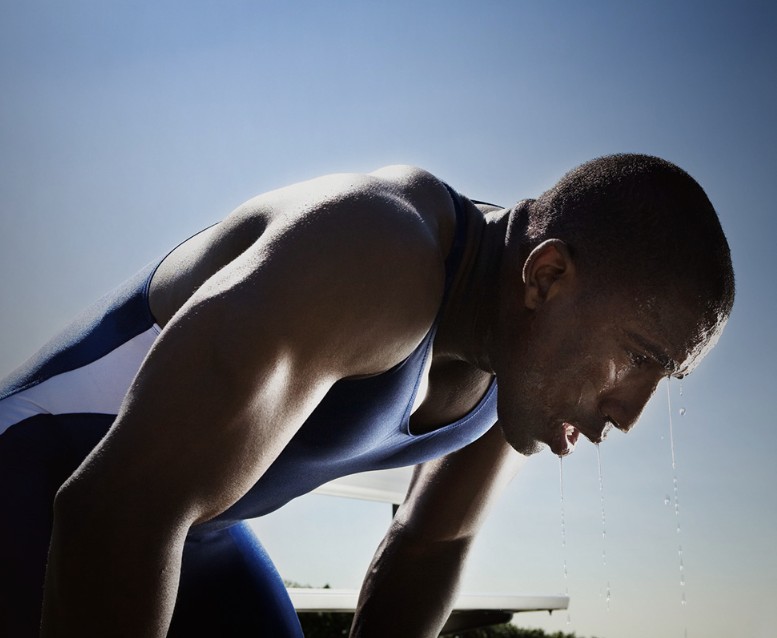
Effective hydration is a complex physiological process that goes far beyond simple fluid intake. It’s about maintaining cellular homeostasis, supporting thermoregulation, and ensuring optimal electrolyte balance for nerve impulse transmission. When you sweat, you lose not just water but crucial electrolytes like sodium, potassium, and magnesium. Failing to replace these can lead to cramping, fatigue, and in severe cases, hyponatremia—a potentially life-threatening condition. Therefore, a professional approach treats hydration as a continuous, calculated protocol.
5 Advanced Hydration Habits for Peak Performance
Integrate these expert-level habits to transform your hydration from a reactive afterthought into a proactive performance driver.
- 1. Proactive Pre-Loading: Begin hydrating 2-3 hours before your session. Consume approximately 500-600 ml of water or an electrolyte drink. This allows your body to achieve optimal fluid balance and gives your kidneys time to excrete any excess, preventing mid-workout bathroom breaks. This isn’t just drinking; it’s priming the system.
- 2. Calibrated Intra-Workout Sipping: During your session, aim for consistency. The goal is to match your sweat rate as closely as possible. A general guideline is 200-300 ml every 15-20 minutes. For sessions exceeding 60 minutes or in high heat, this fluid must contain electrolytes to replace what’s lost through perspiration and maintain plasma volume.
- 3. Master the Electrolyte Equation: Water alone is not enough for intense training. Sodium is the most critical electrolyte to replace, as it governs fluid retention in cells. Look for hydration solutions with a sodium concentration that supports, rather than dilutes, your body’s natural osmolality. This prevents over-hydration and ensures fluid is used effectively.
- 4. Conduct a Personal Sweat Test: The ultimate strategy is personalization. Weigh yourself nude before and after a typical one-hour training session. Each kilogram of weight lost equates to approximately one liter of fluid. This data provides an accurate measure of your personal sweat rate, allowing you to tailor your hydration plan with precision.
- 5. Aggressive Post-Workout Rehydration: Recovery begins the moment your workout ends. The objective is to replenish 125-150% of the fluid lost during the session within the first 2-4 hours. For example, if you lost 1 kg (1 liter), you should aim to consume 1.25-1.5 liters. Combining this with a protein and carbohydrate source will accelerate recovery and glycogen replenishment.
Conclusion: Hydration as a Performance Pillar
Stop viewing hydration as a simple necessity and start treating it as a strategic performance tool. By moving beyond the passive act of drinking when thirsty and adopting a structured, scientific approach, you unlock a new level of endurance, power, and cognitive focus. Your body is a high-performance machine; give it the high-performance fuel it demands. Start by implementing one of these advanced habits today and feel the difference in your next training session.