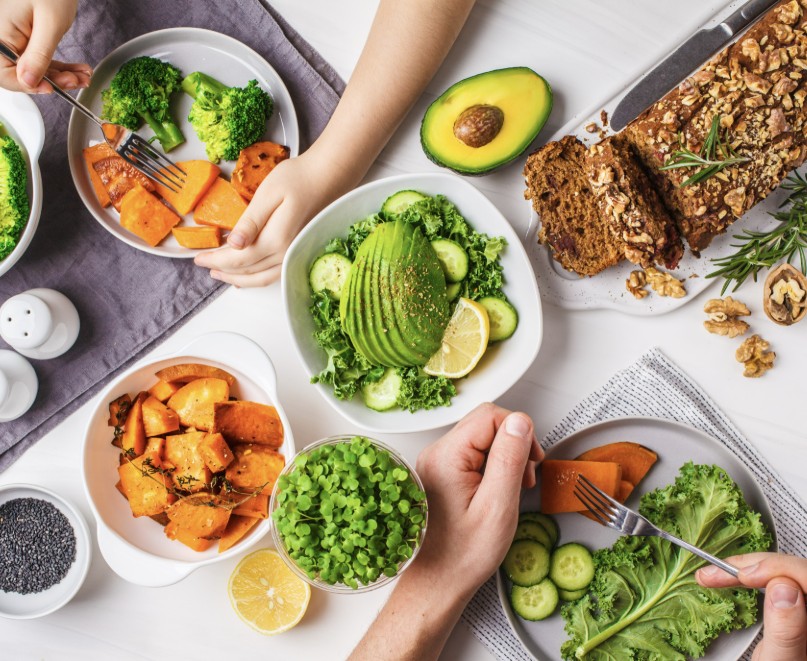
The Ultimate List: Fueling Lean, Clean Energy

The End of the Afternoon Slump: Architecting Your Energy Blueprint We’ve all been there. It’s 3:00 PM, the screen in …
The Metabolic Machinery: Understanding Your Body’s Power Grid
Before we build the list, it’s critical to understand the ‘why’. Your body generates energy in the form of adenosine triphosphate (ATP) within your cellular powerhouses, the mitochondria. The quality and type of food you consume directly impact the efficiency of this ATP production. The goal is to move away from the volatile, high-impact energy of simple sugars and toward a more stable, slow-release model. This involves a synergistic interplay of three key macronutrients:
- Complex Carbohydrates: These are your body’s primary, preferred fuel source. Unlike simple carbs (white bread, sugar) that cause a rapid spike and subsequent crash in blood glucose, complex carbs are digested slowly. Their high fiber content ensures a gradual release of glucose into the bloodstream, providing a steady, reliable stream of energy.
- Lean Proteins: Protein’s role extends far beyond muscle building. It is crucial for producing enzymes and hormones that regulate metabolism. When paired with carbohydrates, protein slows down glucose absorption, further stabilizing blood sugar and preventing energy dips. It also promotes satiety, keeping hunger-induced lethargy at bay.
- Healthy Fats: Fats are the most energy-dense macronutrient, serving as a long-term, enduring fuel reserve. More importantly, healthy fats are integral to the structure of cell membranes, ensuring efficient nutrient transport. They are also vital for hormone production and reducing systemic inflammation, which can be a significant drain on energy reserves.
By strategically combining these elements, you create a metabolic environment that favors sustained performance over short-lived bursts. Your grocery list, therefore, becomes a tactical tool for bio-optimization.
Tier 1: Complex Carbohydrates – The Slow-Burn Fuel Source
This category is the foundation of your energy architecture. Focus on whole, unprocessed sources with a low glycemic index to ensure a controlled energy release.
- Rolled or Steel-Cut Oats: A powerhouse of soluble fiber, which aids in slow digestion and promotes a healthy gut microbiome. Avoid instant, flavored varieties that are often high in sugar.
- Quinoa: A complete protein, meaning it contains all nine essential amino acids. Its combination of fiber and protein makes it an exceptional choice for sustained energy.
- Sweet Potatoes: Packed with complex carbs, fiber, and a high concentration of Vitamin A, a potent antioxidant that helps combat cellular stress.
- Brown Rice: A classic staple rich in manganese, a mineral critical for enzymes involved in energy production.
- Legumes (Lentils, Chickpeas, Black Beans): These are a dual-threat, providing both high-quality complex carbs and plant-based protein, making them incredibly efficient for stabilizing blood sugar.
Tier 2: Lean Proteins – The Structural Powerhouses
Prioritize high-quality, bioavailable protein sources to support muscle repair, neurotransmitter function, and metabolic regulation.
- Skinless Chicken or Turkey Breast: An excellent, low-fat source of complete protein.
- Wild-Caught Salmon: Not only a great source of protein but also one of the best sources of omega-3 fatty acids (EPA and DHA), which are renowned for their anti-inflammatory properties and their role in enhancing cognitive function and mood.
- Eggs: A nutritional gold standard. The yolk contains choline, a nutrient essential for brain health, while the white provides pure, high-quality protein.
- Plain Greek Yogurt: Offers a significant protein punch along with probiotics to support gut health, which is intrinsically linked to energy levels and nutrient absorption.
- Plant-Based Options (Tofu, Tempeh, Edamame): Excellent choices for incorporating high-quality, complete plant-based proteins.
Tier 3: Healthy Fats – The Enduring Energy Reserve
Incorporate sources of monounsaturated and polyunsaturated fats to support hormone health, reduce inflammation, and provide long-lasting fuel.
- Avocados: Rich in monounsaturated fats, fiber, and potassium. They promote satiety and provide a creamy, satisfying texture to meals.
- Extra Virgin Olive Oil: A cornerstone of the Mediterranean diet, this oil is packed with healthy fats and antioxidants. Use it for dressings and low-heat cooking.
- Nuts (Almonds, Walnuts): Calorie-dense and rich in fats, protein, and fiber. Walnuts are particularly high in ALA, a plant-based omega-3 fatty acid. A small handful is a perfect energy-sustaining snack.
- Seeds (Chia, Flax, Pumpkin): Chia and flax seeds are excellent sources of fiber and omega-3s, while pumpkin seeds are high in magnesium, a mineral involved in over 300 enzymatic reactions in the body, including ATP production.
Tier 4: Micronutrient Accelerators – The Cellular Catalysts
Vitamins and minerals don’t provide energy directly, but they are the essential catalysts for the reactions that do. A diet lacking in these micronutrients is like a factory with no workers.
- Dark Leafy Greens (Spinach, Kale): Loaded with iron, which is essential for transporting oxygen in the blood, and B vitamins, which are cofactors in energy metabolism.
- Cruciferous Vegetables (Broccoli, Brussels Sprouts): High in fiber and antioxidants that help protect mitochondria from oxidative stress.
- Berries (Blueberries, Strawberries, Raspberries): Low in sugar but high in fiber and antioxidants called flavonoids, which have been shown to improve cognitive function.
- Bananas: An easily digestible source of carbohydrates and potassium, an electrolyte crucial for muscle function and hydration.
Conclusion: From Shopping Cart to Sustained Vitality
Transforming your energy levels is not about restriction; it’s about strategic addition. This grocery list is more than a collection of healthy foods—it is a blueprint for building a high-efficiency metabolic engine. By focusing on nutrient-dense, whole foods that work in synergy, you provide your body with the premium fuel it needs to operate at its peak. You move from a cycle of crashes and cravings to a state of steady, reliable vitality. Your energy becomes a consistent asset, not a fluctuating liability.
Your call to action is simple: This week, commit to adding five new items from this list to your grocery cart. Replace a processed snack with a handful of almonds. Swap white rice for quinoa. Start your day with oats instead of a sugary cereal. Small, consistent upgrades are the key to profound, lasting change. Begin building your high-performance pantry today and reclaim the clean, lean energy that is rightfully yours.