Athlete’s Edge: Nutrition for Peak Skin Recovery

The Unseen Challenge: Why Your Skin Needs Recovery, Too You’ve just crushed a workout. Your muscles are humming, endorphins are …
This isn’t just about aesthetics. Chronically stressed skin can become a barrier to performance, causing discomfort and even leading to infections that can keep you on the sidelines. The good news is that the solution might already be in your kitchen. The same nutritional strategies you use to build muscle and boost endurance can be tailored to fortify, repair, and rejuvenate your skin. This guide is your new learning objective: to master the art of recovery nutrition for resilient, healthy skin that can keep up with your active lifestyle.
Prerequisites: Understanding the Athlete’s Skin Under Stress
Before we dive into the solutions, it’s crucial to understand why an athlete’s skin is uniquely challenged. Your skin isn’t just a passive covering; it’s a dynamic system constantly reacting to your training environment. Recognizing these stressors is the first step toward combating them.
- Intense Sweat: While sweating is a brilliant cooling mechanism, it can be tough on your skin. As sweat evaporates, it leaves behind salt and minerals that can clog pores and cause irritation or dryness if not cleansed properly.
- Friction and Pressure: Think about the constant rubbing from your running shorts, helmet strap, or sports bra. This mechanical stress, known as friction, can break down the skin’s protective barrier, leading to painful chafing and inflammation.
- Environmental Exposure: Whether you’re a swimmer in a chlorinated pool, a runner battling sun and wind, or a cyclist exposed to pollution, your skin is constantly fighting off environmental aggressors that weaken its defenses.
- Oxidative Stress: Intense physical activity naturally increases the production of free radicals in your body. These unstable molecules can damage skin cells, accelerate aging, and impair the skin’s ability to repair itself. This is where internal support becomes critical.
Detailed Instructions: Your Post-Workout Skin Recovery Menu
Now that you understand the challenges, let’s build your nutritional toolkit. Think of your post-workout meal as a targeted delivery of repair-and-protect nutrients directly to your skin cells. Here’s how to structure your recovery for maximum skin benefits.
H3: Hydration is Non-Negotiable
Dehydration is one of the fastest ways to compromise skin health, leading to dullness, fine lines, and a weakened barrier. After a workout, your primary goal is to rehydrate effectively.
- The Goal: Replenish fluids and electrolytes lost through sweat.
- How to Do It: Water is essential, but it’s not the whole story. You also lose electrolytes like sodium and potassium, which are vital for maintaining fluid balance in your cells.
- Actionable Tip: For every pound of body weight lost during exercise, aim to drink 16-24 ounces of fluid. Consider adding a pinch of sea salt and a squeeze of lemon to your water to help replenish electrolytes naturally.
H3: Protein Power for Repair and Regeneration
Protein isn’t just for your biceps. Your skin is rich in structural proteins, primarily collagen and elastin, which provide its firmness and elasticity. Exercise-induced stress breaks these down, and dietary protein provides the building blocks—amino acids—to rebuild them stronger.
- The Goal: Supply the amino acids needed for collagen and elastin synthesis.
- How to Do It: Consume a high-quality protein source within an hour or two after your workout.
- Actionable Tip: Incorporate lean chicken, fish, eggs, Greek yogurt, or a high-quality protein powder into your recovery meal. These provide essential amino acids like glycine and proline, which are cornerstones of collagen production.
H3: Antioxidant All-Stars to Fight Free Radical Damage
Remember that oxidative stress we talked about? Antioxidants are your nutritional defense team. They neutralize damaging free radicals, protecting your skin cells from within and supporting the repair process.
- The Goal: Combat oxidative stress and reduce inflammation.
- How to Do It: Eat the rainbow. Colorful fruits and vegetables are packed with a variety of powerful antioxidants.
- Actionable Tips:
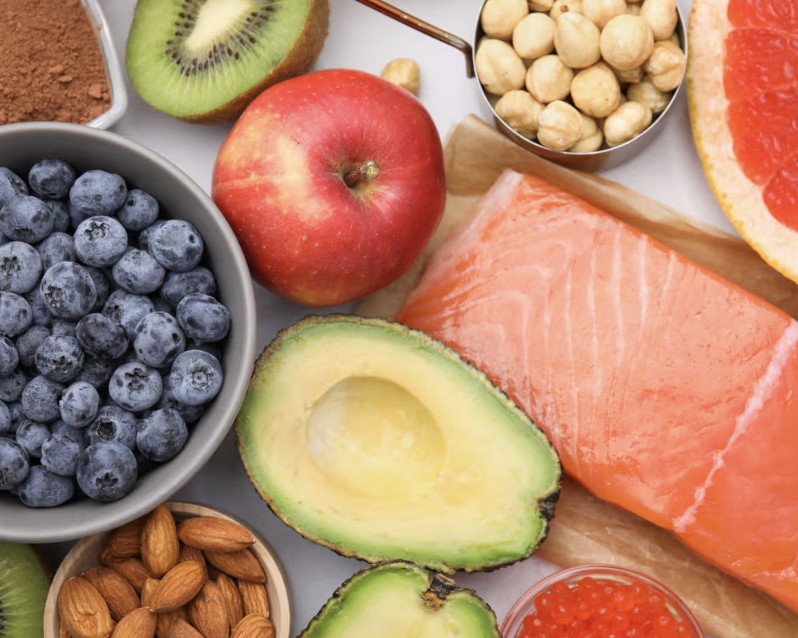
- Vitamin C: A powerhouse for collagen synthesis. Find it in berries, oranges, bell peppers, and broccoli.
- Vitamin E: A fat-soluble antioxidant that protects cell membranes. Source it from almonds, sunflower seeds, and spinach.
- Polyphenols: Found in green tea, dark chocolate, and berries, these compounds have potent anti-inflammatory effects.
H3: Healthy Fats for a Stronger Skin Barrier
Your skin has a natural lipid (fat) barrier that locks in moisture and keeps irritants out. Intense training and environmental exposure can weaken this barrier. Healthy fats, especially omega-3s, are crucial for reinforcing it.
- The Goal: Reduce inflammation and strengthen the skin’s protective lipid layer.
- How to Do It: Incorporate sources of monounsaturated and polyunsaturated fats into your diet.
- Actionable Tip: Add avocado to your post-workout toast, drizzle olive oil on your salad, or include a serving of salmon, walnuts, or chia seeds in your recovery meal. These foods help keep skin supple and resilient.
H3: Key Minerals for Skin Resilience
Certain minerals play a vital, often overlooked, role in skin health and healing.
- The Goal: Support wound healing and antioxidant functions.
- How to Do It: Ensure your diet includes mineral-rich foods.
- Actionable Tips:
- Zinc: Essential for cell growth and wound healing, zinc can also help regulate oil production, making it a key player in preventing breakouts. Find it in pumpkin seeds, lentils, and beef.
- Selenium: This trace mineral works alongside Vitamin E as a powerful antioxidant to protect skin. A single Brazil nut can often provide your daily requirement.
Practice Exercises: Putting Your Knowledge into Action
Information is only powerful when applied. Use these simple exercises to integrate these principles into your routine and see the results for yourself.
- The Ultimate Recovery Smoothie Challenge: For one week, make your post-workout recovery a skin-focused smoothie. Use this template:
- Hydration Base: 1-2 cups of water or coconut water.
- Protein Power: 1 scoop of your favorite protein powder or 1 cup of Greek yogurt.
- Antioxidant Boost: 1 large handful of spinach and 1/2 cup of mixed berries.
- Healthy Fat Fortifier: 1 tablespoon of chia seeds or 1/4 avocado.
- Mineral Bonus: A sprinkle of pumpkin seeds on top.
- The 7-Day Skin & Hydration Journal: For one week, diligently track your fluid intake, paying attention to pre- and post-workout hydration. In the same journal, make a brief note each morning about how your skin looks and feels. Note any connections you see.
- The Skin-Smart Plate Audit: At your next post-workout meal, pause and identify the skin-supporting components on your plate. Can you spot a source of quality protein, a healthy fat, and at least two different colors of vegetables? If not, what could you add?
Conclusion: Fuel Your Performance, Fortify Your Skin
As an athlete, you demand peak performance from your body, and your skin is no exception. By shifting your perspective on recovery nutrition to include skin health, you are making a powerful investment in your overall well-being, comfort, and confidence. The key takeaway is simple: the nutrients that repair your muscles, replenish your energy, and reduce inflammation are the very same ones that build resilient, glowing skin from the inside out. Your post-workout meal is your most powerful tool. Use it wisely not just to recover, but to thrive.
Now it’s your turn. What is your go-to recovery meal that makes both your muscles and your skin happy? Share your favorite recipes and tips in the comments below!